
Protective Styles
Protective Styles 101: Protect the Hair Beneath the Style
- 2 min read
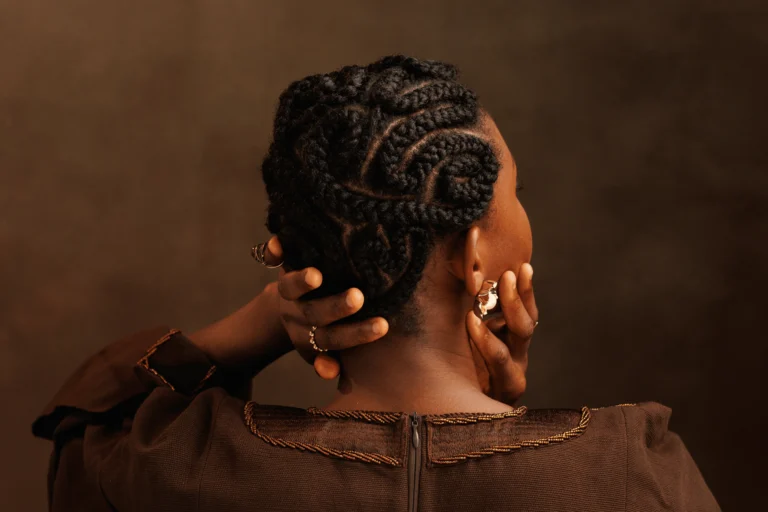
Braids.
Twists.
Locs.
Wigs.
Weaves.
Extensions.
Protective styles can reduce daily manipulation and provide styling flexibility.
But a style is only protective when the way it is installed, worn, maintained, and removed supports the hair underneath.
Installation matters
If you cannot comfortably sleep the first night, the style may be too tight.
Watch for:
- persistent pain;
- bumps;
- tenderness;
- pulling around the hairline; or
- headaches associated with the style.
A style does not need to hurt to last.
The scalp still needs care
The scalp continues to:
- produce oil;
- sweat;
- encounter product; and
- accumulate debris.
Create a scalp-care plan that works with the style.
Don’t drown the scalp in product
Applying oil every day simply because you’re wearing braids is not automatically helpful.
Use products intentionally.
If your scalp feels coated or dirty, cleansing may be more appropriate than adding another layer.
Takedown is part of the style
Many people focus on installation and forget that takedown can be one of the highest-manipulation moments.
During removal:
- work slowly;
- avoid ripping through shed hair;
- detangle in sections;
- condition as needed; and
- expect shed hairs that were trapped within the style.
Give your hair time when needed
Back-to-back installations may work for some routines.
Others benefit from time between styles to:
- cleanse thoroughly;
- detangle;
- assess the hairline;
- condition; and
- simply allow easier access to the scalp.
Related Education

Protective Styles
Your Scalp Still Needs Care While You’re Wearing a Protective Style
Protective styles can change scalp access, but cleansing, buildup control, comfort, and tension still matter. Learn how to maintain your scalp while styled.
Hair Growth
Thinning-Looking Edges: A Scalp-First Guide to Hairline Care
Concerned about your edges? Learn how tension, styling, breakage, product buildup, and everyday handling can affect the look and feel of the hairline.
Hair Growth
Hair Breakage: What It Looks Like and How to Build a Gentler Routine
Learn what hair breakage looks like, how it differs from shedding, and how handling, heat, chemicals, dryness, and styling can influence your strands.